

Discover historic palaces, magnificent churches and remarkable architectural landmarks.
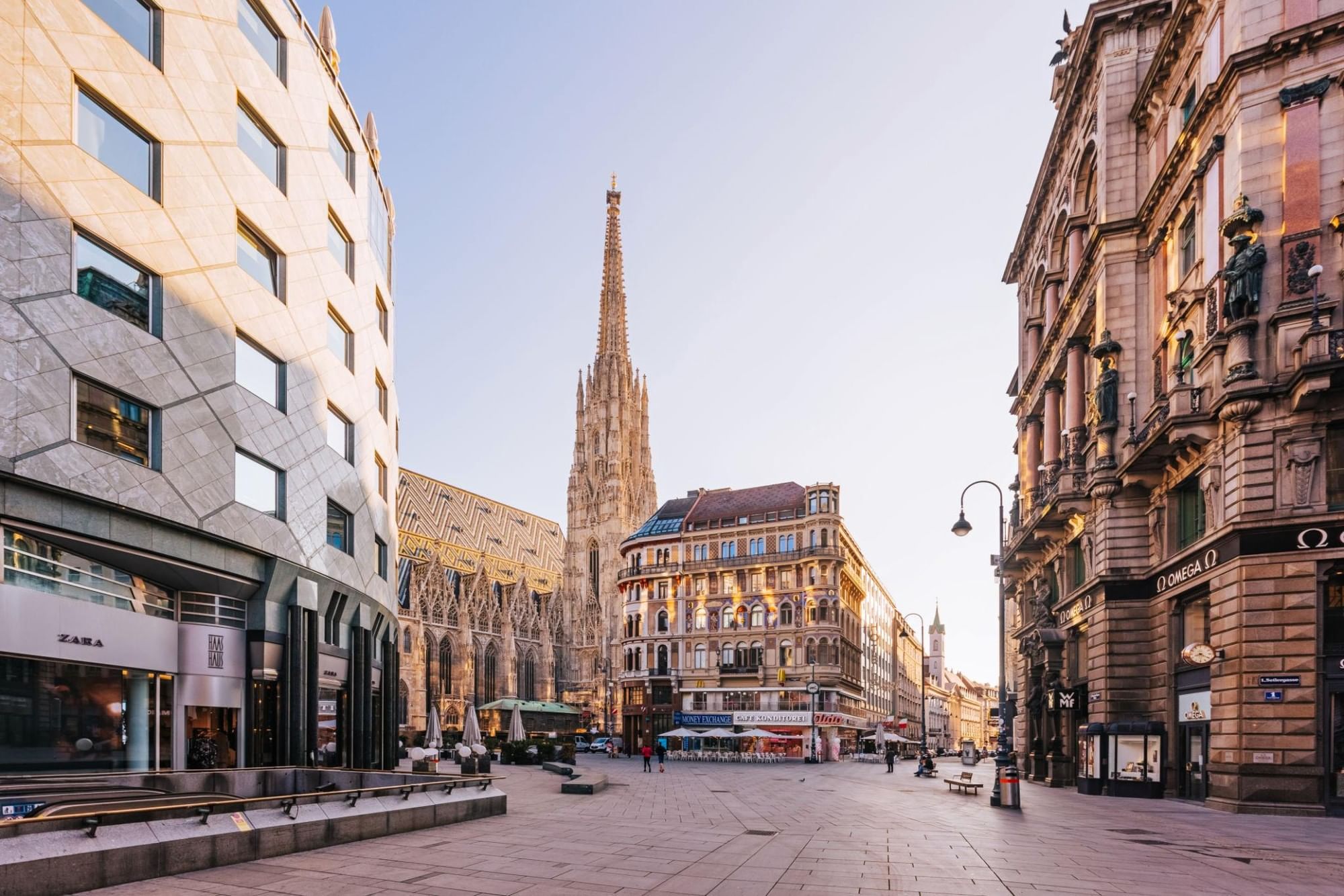
St. Stephen's Cathedral: Vienna's Gothic Landmark
St. Stephen's Cathedral is one of the most famous historic landmarks in Vienna and has shaped the city's skyline for centuries. Its towering Gothic south tower, colourful tiled roof and richly decorated facade make it one of Austria's most recognisable buildings. Different construction periods have left their mark on the cathedral, reflecting the architectural development of Vienna itself.
The interior is equally impressive, with soaring vaulted ceilings, historic altars and intricate stone carvings. Visitors interested in architectural history can also explore the cathedral's towers and enjoy a different perspective of the city. St. Stephen's Cathedral remains an essential stop for anyone interested in Vienna's history and architecture.
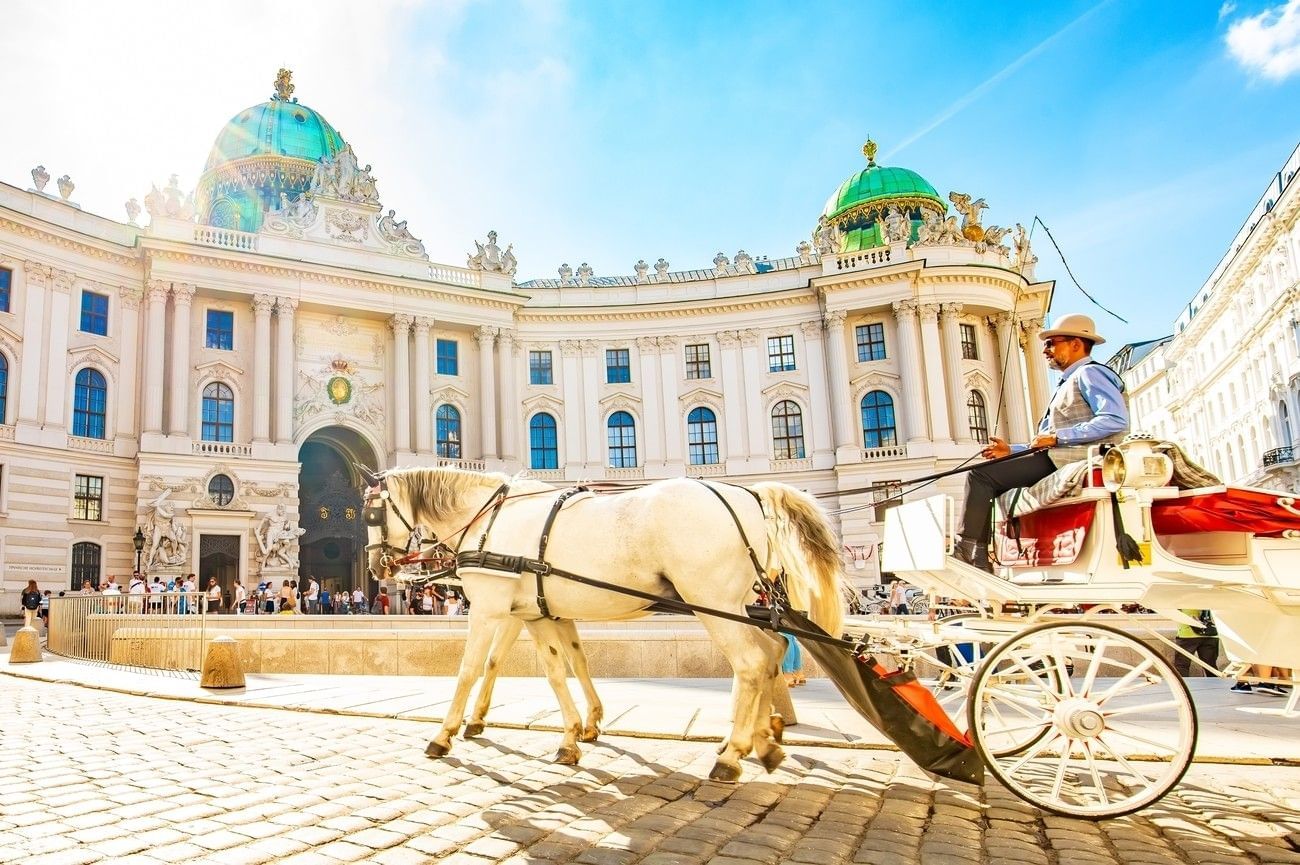
Hofburg Palace: Imperial Architecture Through the Centuries
The Hofburg Palace served as the political centre of the Habsburg monarchy for centuries. Originally a medieval fortress, it gradually developed into an extensive imperial residence through numerous additions and alterations. Today, the palace complex brings together architectural styles ranging from the Renaissance and Baroque periods to Historicism.
One of its most impressive features is the Michaelertrakt, with its curved facade and distinctive dome. The Renaissance Swiss Gate and historic courtyards also reveal how the palace evolved over time. Walking through the Hofburg provides a fascinating introduction to imperial Vienna, its architectural heritage and the history of the former Habsburg residence.
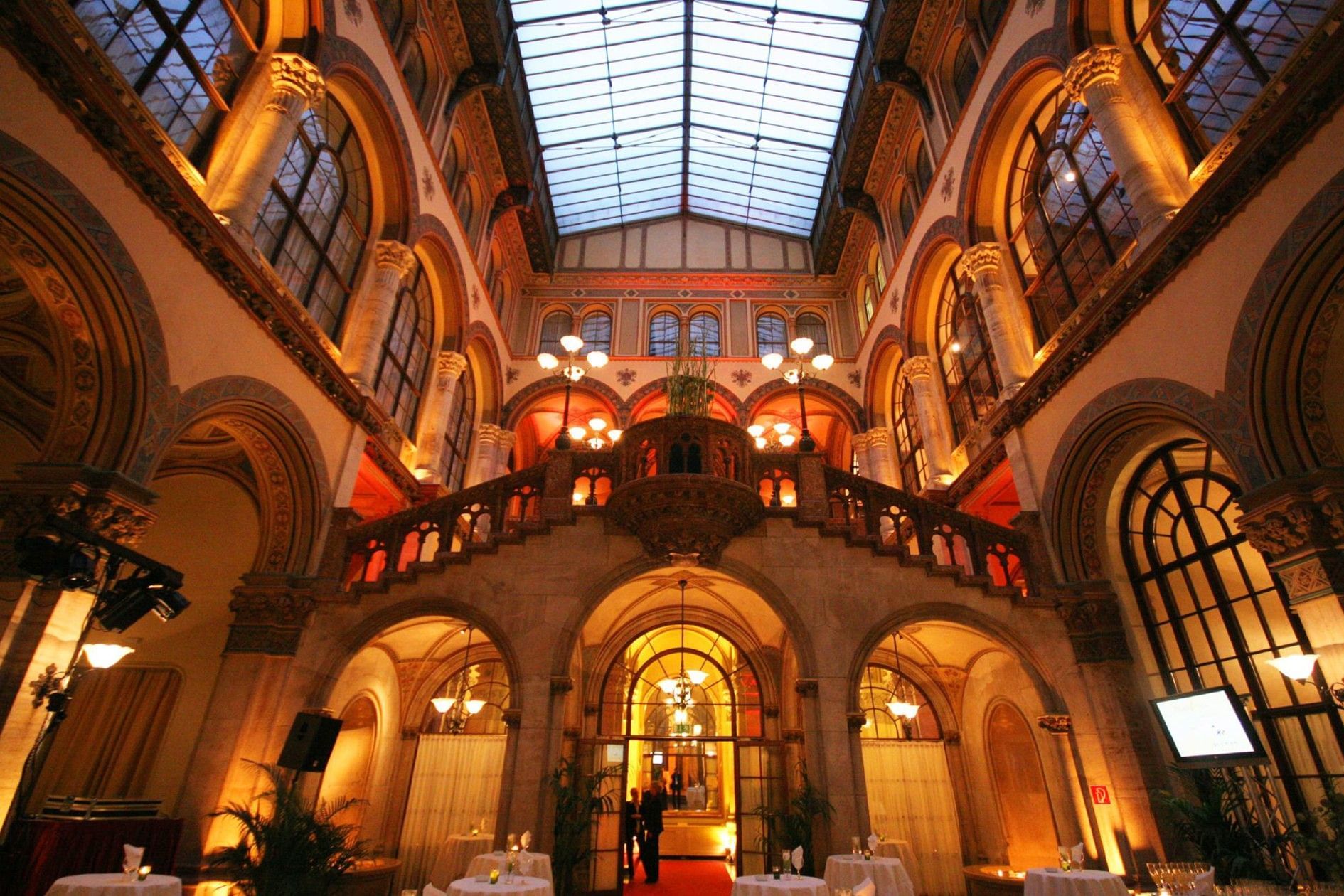
Palais Ferstel: Venetian Architecture in the Heart of Vienna
Palais Ferstel is one of the most distinctive historic buildings in Vienna's city centre. Constructed between 1856 and 1860 according to designs by Heinrich von Ferstel, the building combines Venetian and Florentine architectural influences. It originally served as premises for the national bank and stock exchange.
One of its most remarkable features is the historic Ferstel Passage, with elegant arcades, a glass roof and the charming Danube Mermaid Fountain. Its architectural details evoke the atmosphere of an Italian palazzo, creating an unexpected contrast with the surrounding Viennese streets. For travellers searching for beautiful and unusual places in Vienna, this historic passage is well worth discovering.
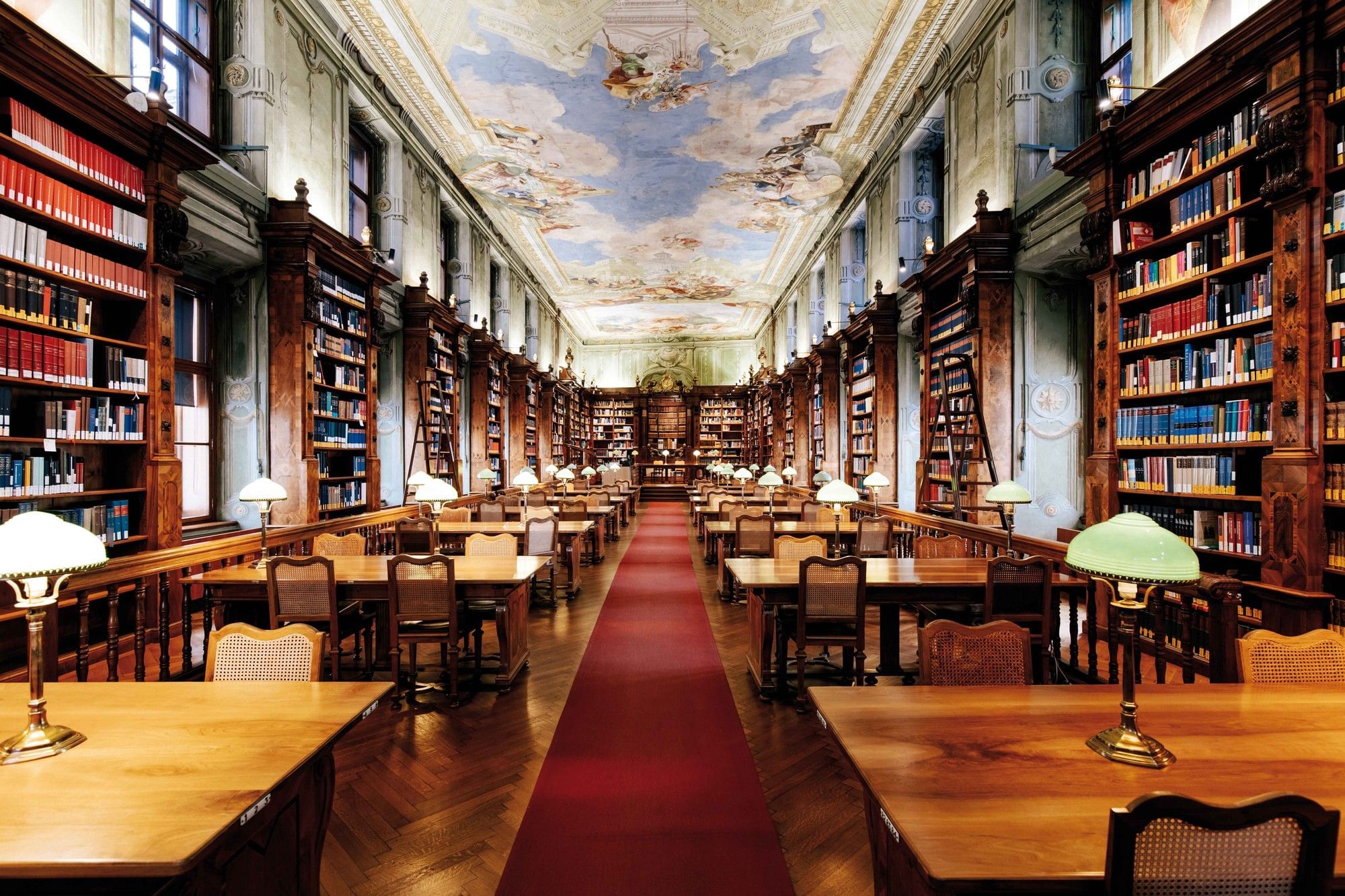
Austrian National Library State Hall: A Masterpiece of Baroque Architecture
The State Hall of the Austrian National Library is among the most impressive historic interiors in Vienna. Built during the 18th century as part of the former Imperial Court Library, it represents one of the finest examples of Austrian Baroque architecture.
Stretching almost 80 metres in length, the hall features richly decorated bookshelves, marble sculptures, historic globes and elaborate ceiling frescoes. Particularly striking is the magnificent dome decorated with a fresco by Daniel Gran. Housing approximately 200,000 historic books, the State Hall is not only an architectural masterpiece but also an important part of Europe's cultural and intellectual heritage.
Looshaus at Michaelerplatz: The Beginning of Modern Architecture
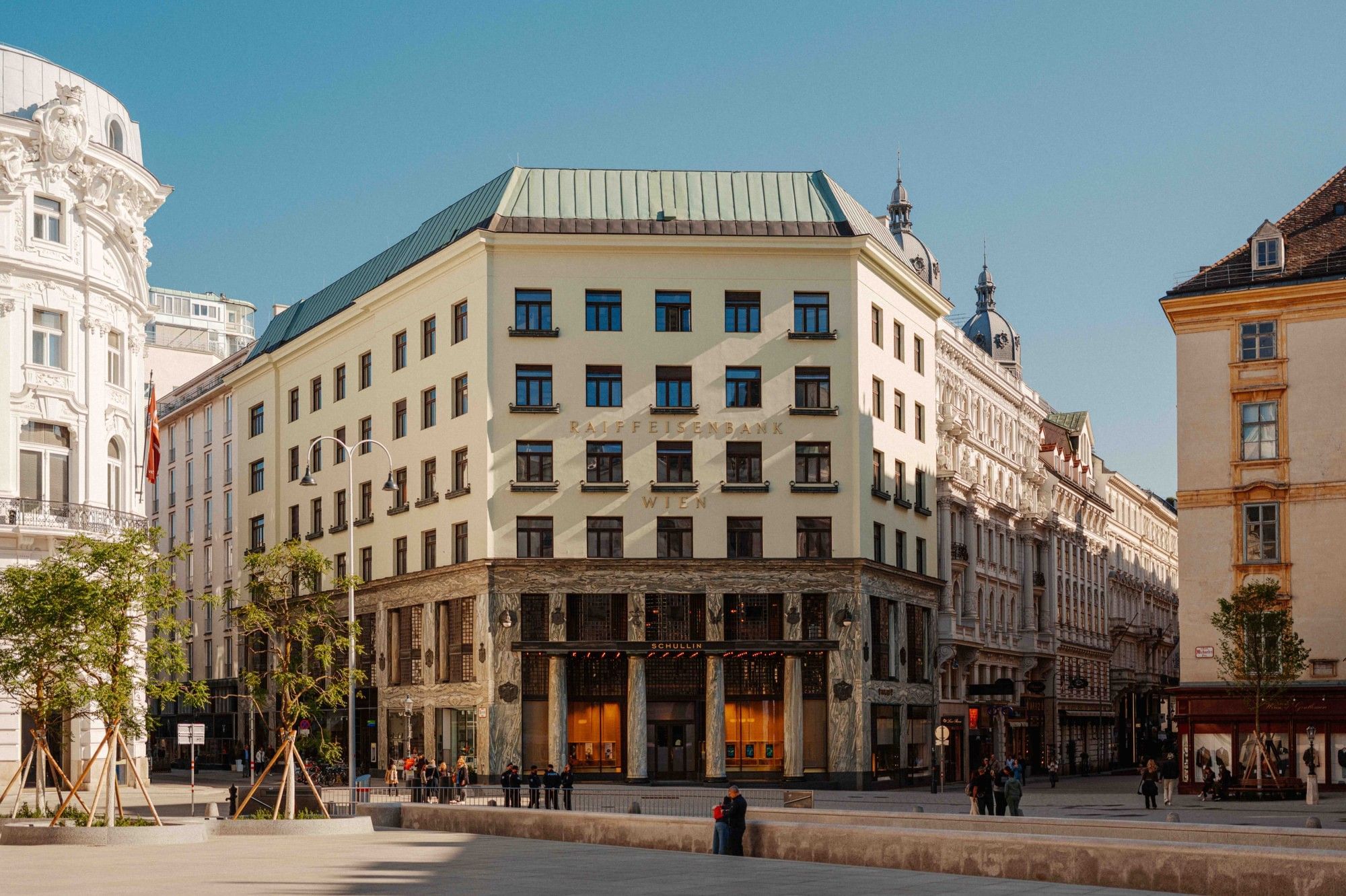
Located directly opposite the Hofburg Palace, the Looshaus at Michaelerplatz represents a significant turning point in Vienna's architectural history. Architect Adolf Loos deliberately rejected the elaborate facade decorations that were common at the time, choosing clean lines and high quality materials instead.
This unconventional approach caused considerable controversy when the building was first completed. Its restrained exterior contrasts sharply with the richly decorated architecture of the neighbouring Hofburg. Today, the Looshaus is regarded as an important example of early modern architecture and offers visitors a fascinating perspective on the transition from traditional architectural styles to Viennese Modernism.
Karlskirche Vienna: A Baroque Architectural Masterpiece
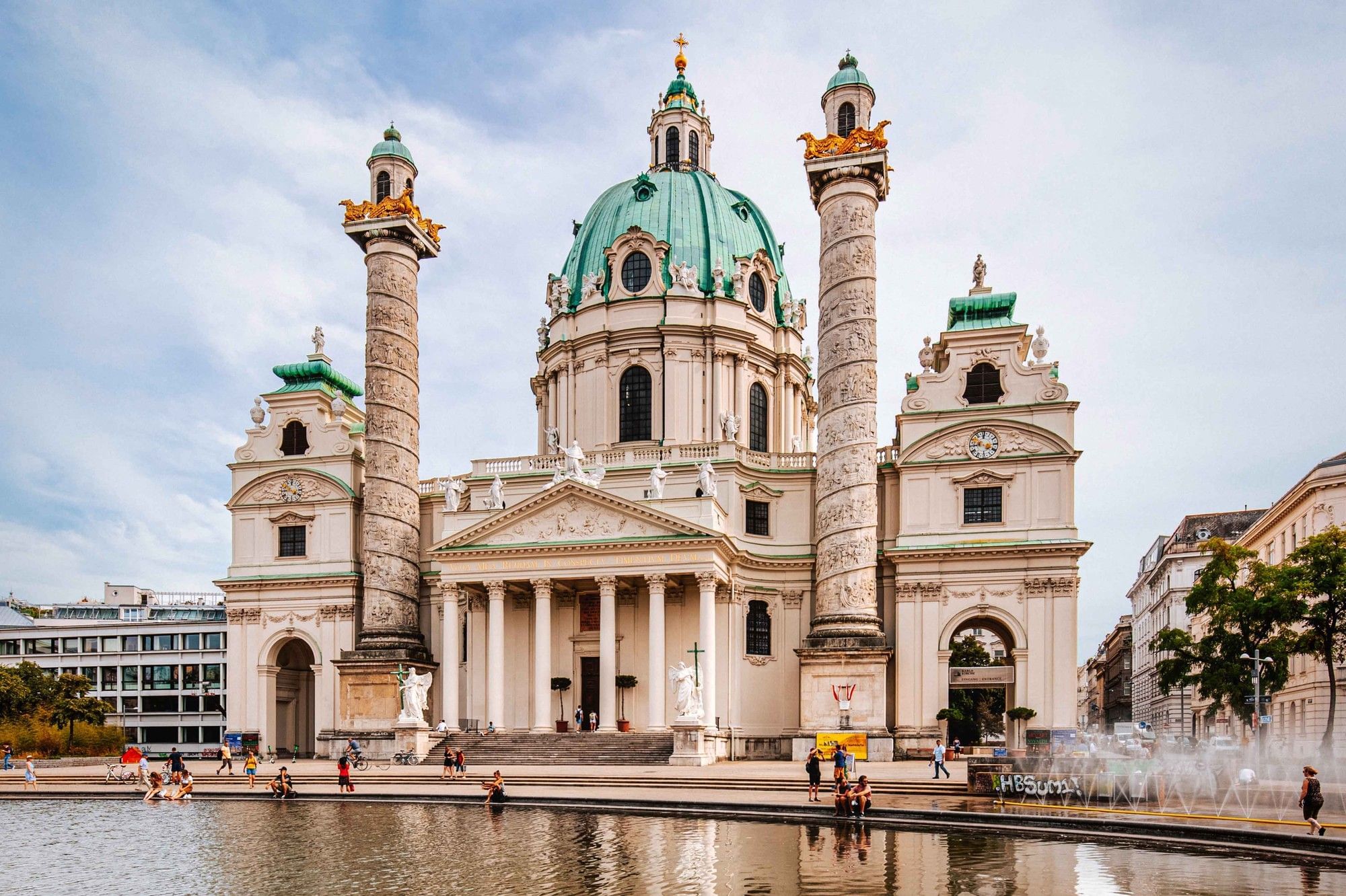
The Karlskirche in Vienna is one of Austria's most remarkable examples of Baroque church architecture. Its construction originated from a vow made by Emperor Charles VI during the plague epidemic of 1713. Designed by Johann Bernhard Fischer von Erlach and continued by his son after his death, the church was consecrated in 1737.
Its monumental dome, two enormous columns and impressive entrance immediately capture visitors' attention. Inside, elaborate frescoes and richly decorated architectural details create a magnificent interior. The combination of influences from different architectural traditions makes Karlskirche one of the most beautiful historic churches in Vienna and an important landmark for architecture enthusiasts.
Vienna Secession: Architecture Between Art Nouveau and Modernism
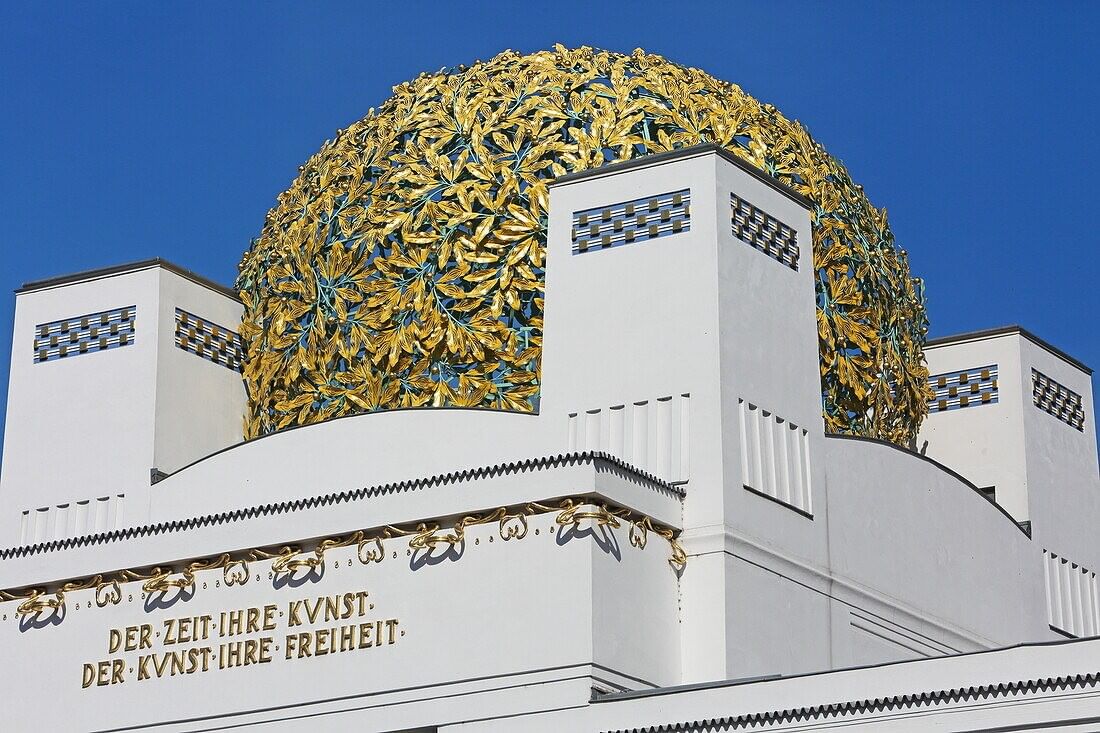
The Vienna Secession demonstrates how dramatically the city's architecture changed around the turn of the 20th century. Completed in 1898 according to plans by Joseph Maria Olbrich, the exhibition building became an important symbol of Viennese Art Nouveau and the modern art movement.
Its most distinctive feature is the golden dome made of gilded laurel leaves. The building's simple geometric forms contrast with the decorative details of its exterior, creating a unique architectural identity. Today, the Secession continues to serve as an exhibition space for contemporary art and also houses Gustav Klimt's famous Beethoven Frieze. It is an essential destination for travellers interested in art and architecture in Vienna.
Hotel THE LEO GRAND: Stay in a Historic Palace in Vienna
For travellers who want to experience historic Vienna beyond its famous landmarks, Hotel THE LEO GRAND offers the opportunity to stay in a building with centuries of history. Located at Bauernmarkt 1, the listed historic property has a fascinating past that extends far beyond its present role as a hotel.
Following a major fire in 1700, the building was reconstructed as a Baroque city palace in the early 18th century. During its later restoration, historic architectural elements were carefully preserved and combined with contemporary interiors. Today, original vaults, artistic details and individually designed rooms reflect the building's distinctive character.
Situated in Vienna's historic First District, just a short walk from St. Stephen's Cathedral, Hotel THE LEO GRAND is an ideal base for a cultural city break in Vienna. Many of Vienna's most impressive historic landmarks and architectural attractions are within walking distance, allowing guests to explore the city at their own pace. Here, discovering Vienna's architectural heritage begins the moment you enter the hotel.